
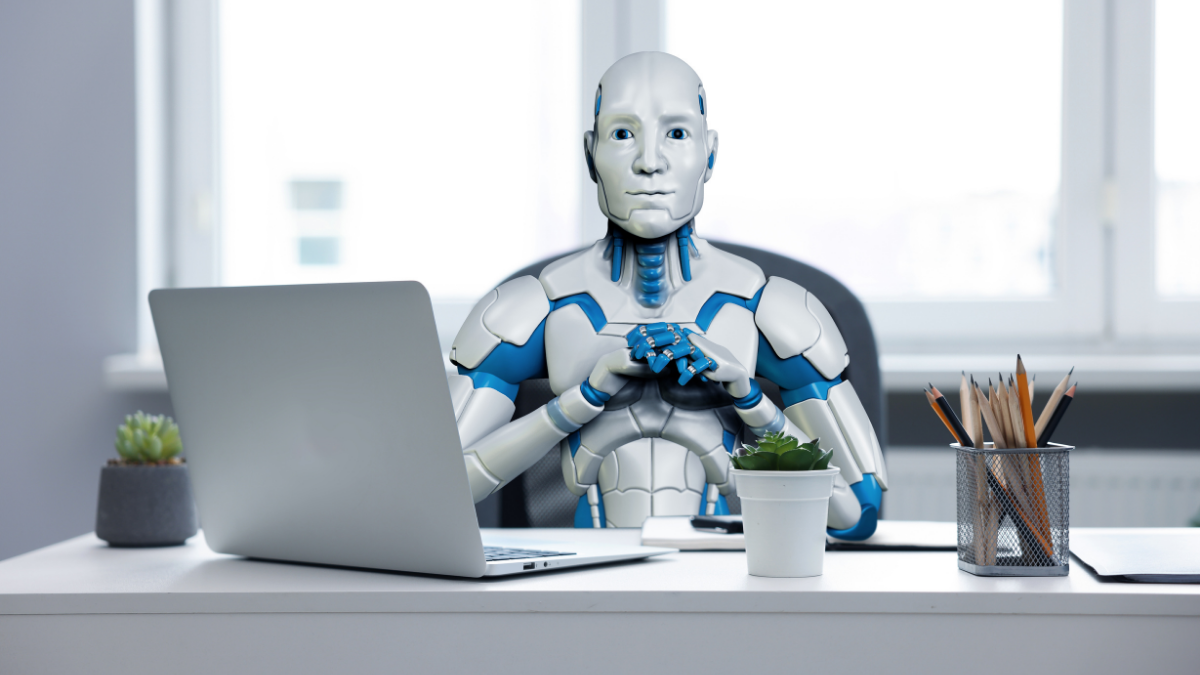
AI Agents Are Replacing Traditional Productivity Apps: Not long prior, being “productive” implied having the right stack of apps—task supervisors, calendars, e-mail stages, note-taking instruments. The more organized your apps were, the more productive you felt.
But over time, something changed. Instead of making a difference, these devices begun abating individuals down. As well numerous tabs and notices. As well much exchanging between stages fair to total one straightforward task.
That’s where AI operators are starting to move the experience. Tools like Microsoft Copilot and Idea AI are no longer fair “features” interior apps—they’re getting to be the layer that really gets work done. And that raises an critical question: Are conventional efficiency apps getting to be unnecessary?
HAVE A LOOK AT : Stop Typing, Start Tasking: How AI Agents Are Replacing Traditional Apps
What Are AI Operators (In Straightforward Terms)?
AI operators are frameworks that can get it what you need and take activity without you having to direct each step. Instead of:
- Opening an app
- Clicking through menus
- Physically completing tasks
You essentially portray what you need—and the framework handles it. Think of it less like utilizing program and more like working with a exceptionally quick assistant.
Why Conventional Efficiency Apps Are Losing Their Edge
1. As well Much Exchanging, Not Sufficient Doing
A commonplace workflow might involve:
- Checking errands in Trello
- Informing on Slack
- Planning by means of Google Calendar
Each device works fine on its possess. But together, they make friction. You’re always bouncing between stages instep of centering on the work itself.
2. Everything Still Feels Manual
Even the best apps depend on you to:
- Upgrade progress
- Send reminders
- Organize information
It’s efficient—but still hands-on. AI specialists diminish that exertion by taking care of dreary steps in the background.
3. Apps Don’t Truly “Understand” You
Most devices don’t keep in mind how you work. They don’t adjust much unless you design them. AI frameworks, on the other hand, begin to:
- Recognize patterns
- Learn preferences
- Alter over time
That little contrast includes up quickly.

How AI Specialists Are Changing Ordinary Work
1. Less Devices, More Flow
Instead of juggling apps like Asana and Zoom, individuals are beginning to depend on a single interface that interfaces everything. You don’t think around which app to open anymore—you fair think almost what needs to be done.
2. Errands Are Getting Done—Not Fair Managed
Traditional instruments offer assistance you track work. AI specialists go a step further:
- Draft emails
- Summarize meetings
- Organize schedules
It’s a move from overseeing errands to completing them.
3. Work Feels More Conversational
Instead of exploring menus, clients sort or say things like:
- “Summarize this report”
- “Schedule a assembly another week”
- “Reply to this mail politely”
It feels less like computer program and more like communication.
Where This Move Is Most Noticeable(AI Agents Are Replacing Traditional Productivity Apps)
Venture Management
Tools like Monday.com are still valuable, but numerous schedule actions—updates, outlines, tracking—can presently happen automatically.
Mail and Communication
With stages like Gmail, AI can:
- Draft replies
- Highlight imperative messages
- Summarize long threads
This alone spares a shocking sum of time.
Scheduling
Back-and-forth emails to discover assembly times are gradually vanishing. AI can facilitate plans in seconds.
Information Handling
Instead of physically analyzing spreadsheets, clients can inquire for experiences and get clear answers quickly.
The Genuine Benefits (From a Viable Perspective)
Less Mental Load
You don’t have to keep in mind everything or track each detail.
More Time for Important Work
Repetitive assignments take up less of your day.
Less complex Workflows
Fewer devices, less steps, less interruptions.
A More Normal Way to Work
You communicate instep of navigate.
But It’s Not Idealize Yet
It’s vital to remain realistic.
Things That Still Require Improvement:
- AI can misjudge context
- A few assignments still require manual control
- Security concerns are valid
- Over-reliance can be risky
In brief, it’s helpful—but not something to aimlessly believe with everything.
So… Are Apps Going Away?
Not really. Apps are still there—but their part is changing. Instead of being the put where work happens, they’re becoming:
- Foundation systems
- Information sources
- Supporting tools
The obvious layer is moving toward AI-driven interaction.
Also Read: AI Automation Tools for Small Online Businesses to Save Time, Boost Sales, and Scale in 2026
Conclusion
AI specialists are not significantly supplanting efficiency apps overnight—but they are unobtrusively reshaping how individuals work. Instead of investing time overseeing instruments, clients are beginning to:
- Center on outcomes
- Designate dreary work
- Streamline their every day routines
Traditional apps aren’t disappearing—they’re fair venturing out of the spotlight. And in their put, a more characteristic, less complicated way of working is starting to take shape.